

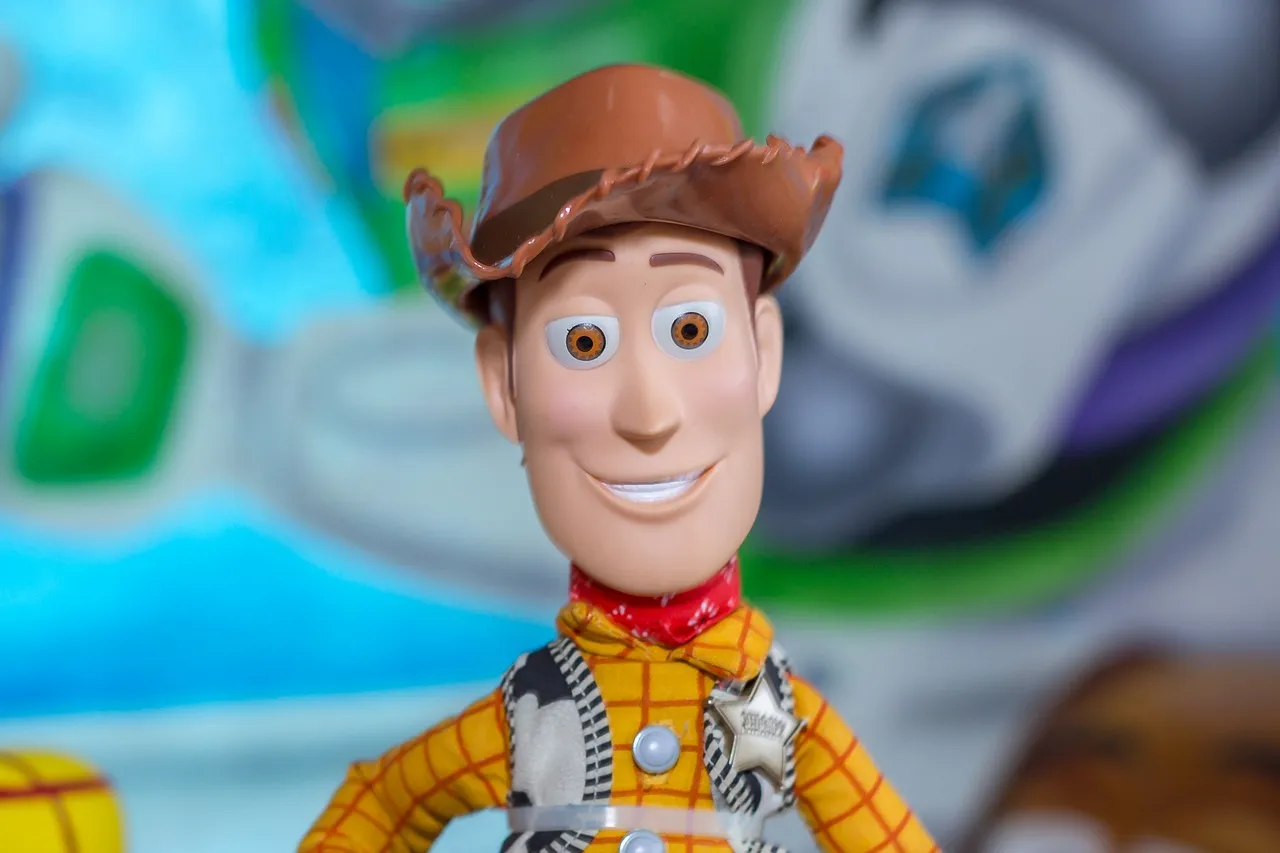
NEWSFEED.ID, Tangerang — “You’ve Got a Friend in Me.” At first glance, it may sound like just another catchy movie song. Yet, for many people who grew up with Toy Story, those words mean much more than an opening soundtrack. They serve as a gateway to childhood memories, a time when imagination knew no limits and happiness could be found in the simplest toys. Interestingly, whenever news about a new Toy Story film is released, the most enthusiastic audience is often not children, but college students, working adults, and even parents who grew up watching Woody and Buzz Lightyear.
This phenomenon shows that Toy Story has gone far beyond being an animated film. It has become a space of nostalgia, reconnecting people with a younger version of themselves. As an English Literature student, I believe that the film’s greatest strength lies not only in its animation or humor but also in its ability to portray deeply human experiences through seemingly ordinary characters: toys.
In literature, objects often carry meanings far beyond their physical function. In Toy Story, toys are more than simple playthings; they symbolize memories, affection, identity, and the sense of belonging. Woody is not merely a cowboy doll, and Buzz is not just a space ranger action figure. Together, they represent fears that are deeply human, the fear of being forgotten, replaced, or no longer having a meaningful place in someone’s life.
Almost everyone has owned something they treasured during childhood, whether it was a teddy bear, a toy car, a robot, or even a favorite blanket. The value of these objects never came from their price tags but from the memories attached to them. That is why losing a childhood toy can sometimes feel more painful than losing something far more expensive. What disappears is not merely an object, but a small piece of one’s personal story.
When Andy grows up, the audience is actually witnessing a reality that everyone eventually faces. Childhood cannot last forever. Toys are put away, bedrooms change, friends choose different paths, and life gradually moves forward. Rather than resisting change, Toy Story gently teaches its audience how to accept it.
This is where the true power of literature lies. A meaningful story does not simply provide answers; instead, it creates space for readers and viewers to discover their own interpretations. As children, many of us laughed at Buzz’s unwavering belief that he was a real Space Ranger. As adults, however, the very same scenes invite us to reflect on identity, hope, and self-acceptance. The story remains unchanged, but we ourselves have changed.
This illustrates that the relationship between a reader and a literary work is constantly evolving. Meaning does not come solely from the text itself but also from the experiences readers bring with them. That is why Toy Story feels different every time we revisit it. The film grows alongside its audience.
Nostalgia is often dismissed as nothing more than longing for the past. In reality, it serves a much greater purpose. Nostalgia helps people understand their personal journeys and reconnect with the values that shaped them. In today’s fast-paced world, where people are constantly pursuing new goals and achievements, looking back at childhood does not mean refusing to grow up. Instead, it reminds us of simple yet meaningful values such as friendship, honesty, courage, loyalty, and compassion.
For me, Toy Story is also a story about learning to let go. As a university student approaching the final stages of my academic journey, I have begun to realize that life is filled with farewells. Friends will eventually pursue different paths, familiar routines will change, and dreams may not always unfold as expected. These feelings are not very different from what Woody experiences when he realizes that Andy has grown up. Woody does not lose Andy’s love; rather, he learns to accept that their relationship has simply taken a different form.
Perhaps this is what makes Toy Story timeless. The film does not teach us to avoid goodbyes. Instead, it reminds us that letting go can also be an act of love. Andy no longer plays with Woody, yet he ensures that his beloved toys will continue to be cherished by someone else. Likewise, in real life, relationships may change, but the memories and lessons they leave behind remain with us.
At a time when films compete through increasingly spectacular visual effects, Toy Story proves that emotion remains the heart of every memorable story. Audiences may come for another adventure with Woody and Buzz, but they stay because they recognize a small part of themselves within the characters and their journey.
As an English Literature student, I believe that every literary work that survives across generations shares one essential quality: it speaks to universal human experiences. Children see exciting adventures, teenagers discover friendship, while adults find stories about loss, change, and acceptance. That is precisely why Toy Story has never belonged to only one generation or one age group.
In the end, most of us no longer keep our favorite childhood toys on our bedroom shelves. Yet, we continue to carry the memories that grew alongside them. Toy Story reminds us that growing up does not mean forgetting our childhood; it means carrying its values with us as we move forward. As long as people continue to remember, hope, and learn to embrace change, Woody and his friends will always find a place in our hearts. Perhaps that is why Toy Story never truly ends. What lives on is not only the toys themselves, but also the memories and life lessons they leave behind.