NEWSFEED.ID, Tangerang — In recent years, the term “beauty privilege” has become increasingly popular, especially on social media. Many people even joke that being attractive can solve 50% of life’s problems. While this statement is obviously an exaggeration, it reflects a belief shared by many people: physical appearance can influence how individuals are treated and what opportunities they receive. Whether we realize it or not, attractiveness often plays a role in shaping first impressions and social interactions.
Beauty privilege refers to the advantages that attractive people may experience simply because they fit society’s standards of beauty. These advantages can appear in many areas of life, including education, employment, relationships, and everyday interactions. People who are considered attractive are often viewed more positively. They may be seen as friendlier, smarter, or more capable, even before they have the chance to prove themselves. As a result, they are sometimes given opportunities that others may have to work harder to obtain.
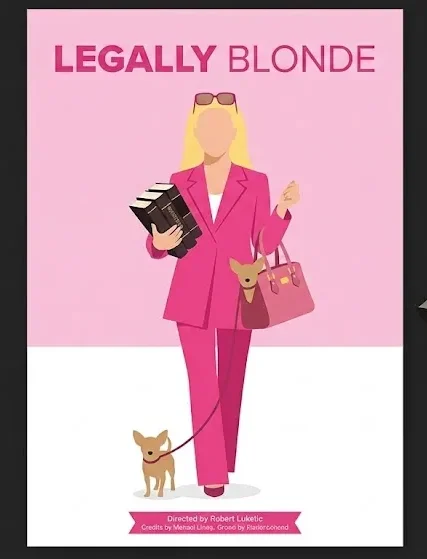
A clear example of this phenomenon can be seen in the film Legally Blonde (2001). When Elle Woods applies to Harvard Law School, she submits a highly unconventional video essay instead of a traditional application presentation. In the video, Elle confidently showcases her personality while embracing her femininity and physical attractiveness. Her application immediately stands out from those of other candidates, attracting the attention of the admissions committee. Although the film suggests that Elle is accepted because of her determination, leadership experience, and academic potential, her appearance undeniably plays a role in making her memorable. This scene illustrates how physical attractiveness can sometimes provide an advantage by helping individuals gain visibility and capture opportunities that might otherwise be overlooked. In this sense, Elle’s acceptance raises an important question: would her application have received the same level of attention if she did not fit conventional beauty standards?
The film subtly invites viewers to question whether Elle was accepted solely because of her qualifications or whether her beauty helped open a door that remained closed to others.
The impact of beauty privilege can also be seen on social media platforms such as Instagram and TikTok. Attractive content creators often gain followers more quickly and receive greater engagement than others. Their appearance can help them attract attention, build personal brands, and secure sponsorship opportunities. In this way, beauty can function as a form of social capital that creates advantages in both online and offline spaces.
However, beauty privilege is not a guarantee of success. While attractiveness may help someone gain attention or create opportunities, it cannot replace talent, knowledge, or perseverance. Long-term success still depends on an individual’s skills, work ethic, and ability to overcome challenges. Moreover, placing too much value on physical appearance can reinforce unrealistic beauty standards and contribute to unfair treatment of those who do not fit those standards.
Beauty privilege is a real phenomenon that continues to influence modern society. Although beauty may not literally solve 50% of life’s problems, it can make certain aspects of life easier by providing social advantages and opportunities. The experiences of Elle Woods in Legally Blonde and the rise of influencer culture on social media demonstrate how appearance affects people’s perceptions and experiences. Nevertheless, genuine success ultimately comes from a combination of ability, effort, and personal growth rather than beauty alone.