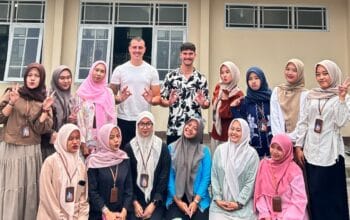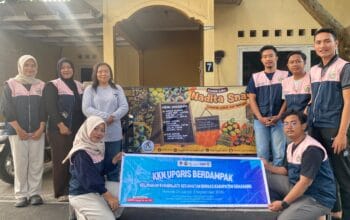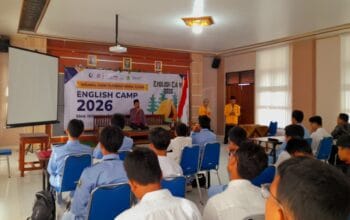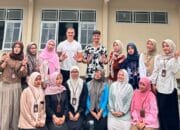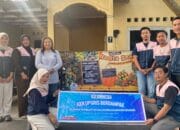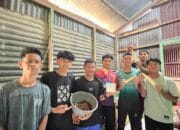

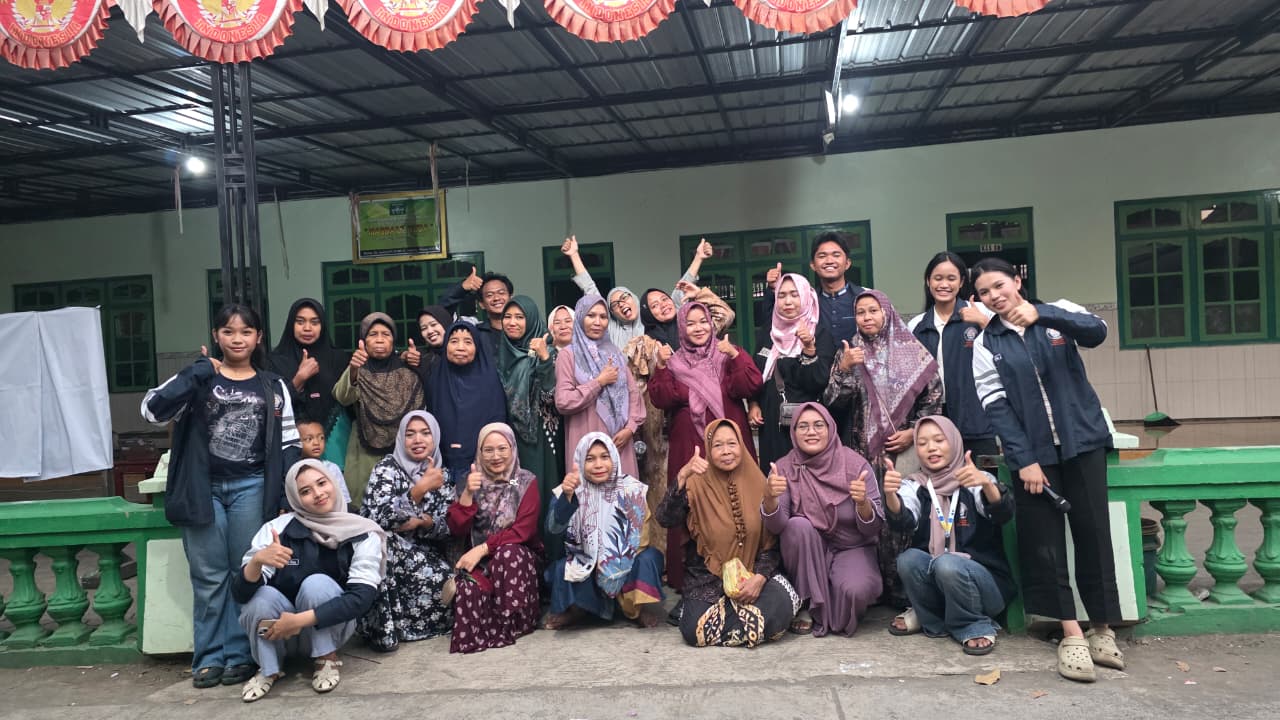
NEWSFEED.ID, JUWIRING – Used cooking oil (jelantah) is a type of household waste that has the potentisl to contaminate the environment if disposed of carelessly. To address this issue, the KKN team from Universitas Diponegoro held a workshop on processing used cooking oil into aromatherapy candles for Juwiring Village. The event was held at the Madrasah together with the Fatayat Women’s Association on Sunday (Aug 2). This initiative served as both an educational and community empowerment activity, teaching residents how to transform waste into economically valuable products, in line with the Sustainable Development Goals (SDGs), specifically responsible consumption and production, as well as environmental conservation.
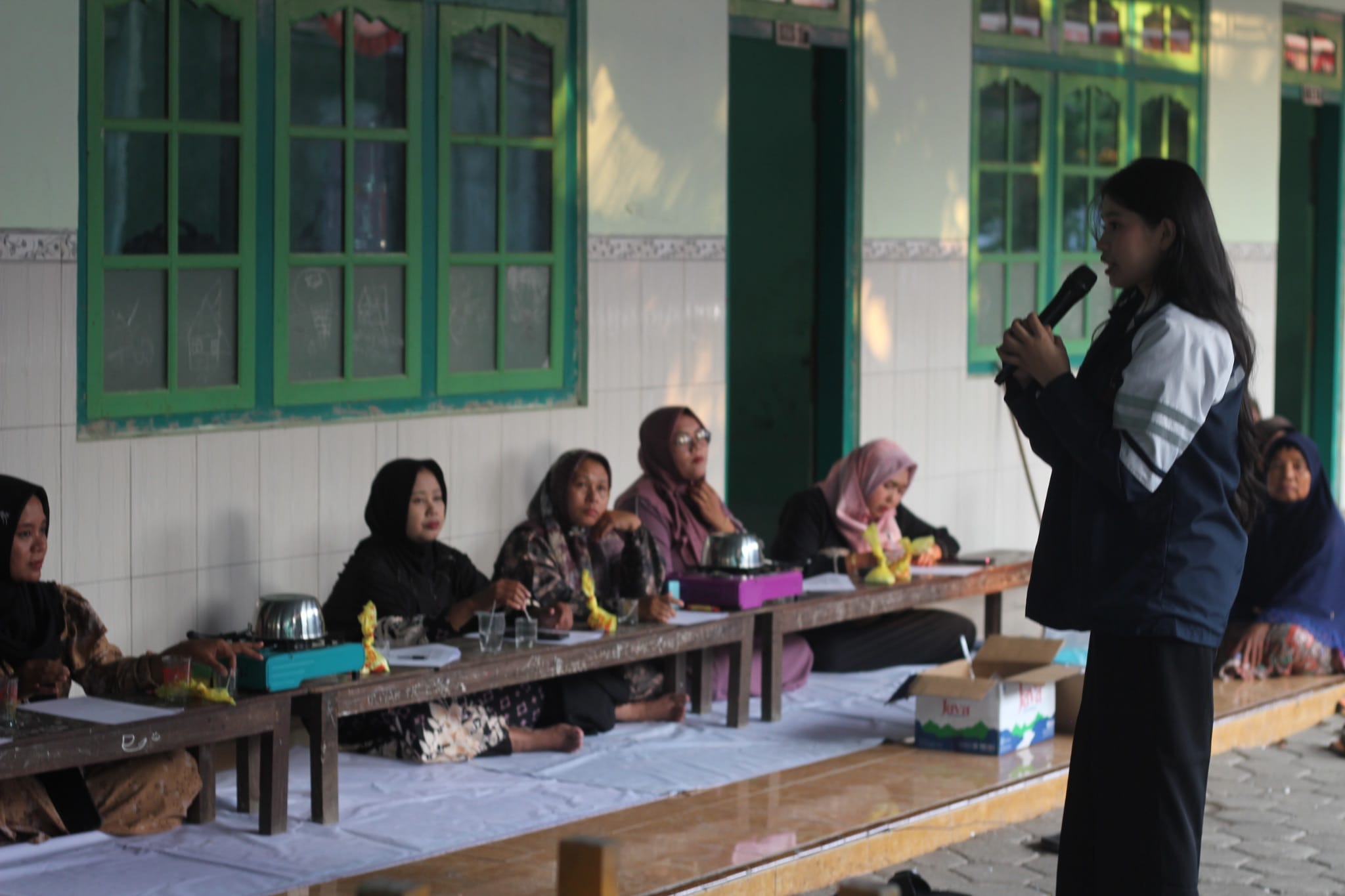
The participants in this activity were mostly housewives (70.6%) between the ages of 25 and 40 (41.2%). The initial survey examined the consumption habits of residents, revealing that the majority (82.4%) use cooking oil twice before disposing of it. Unfortunately, most of the used cooking oil waste (41,2%) is dumped into the soil and (23,5%) into waterways, this practice has potential to damage local environmental ecosystems.
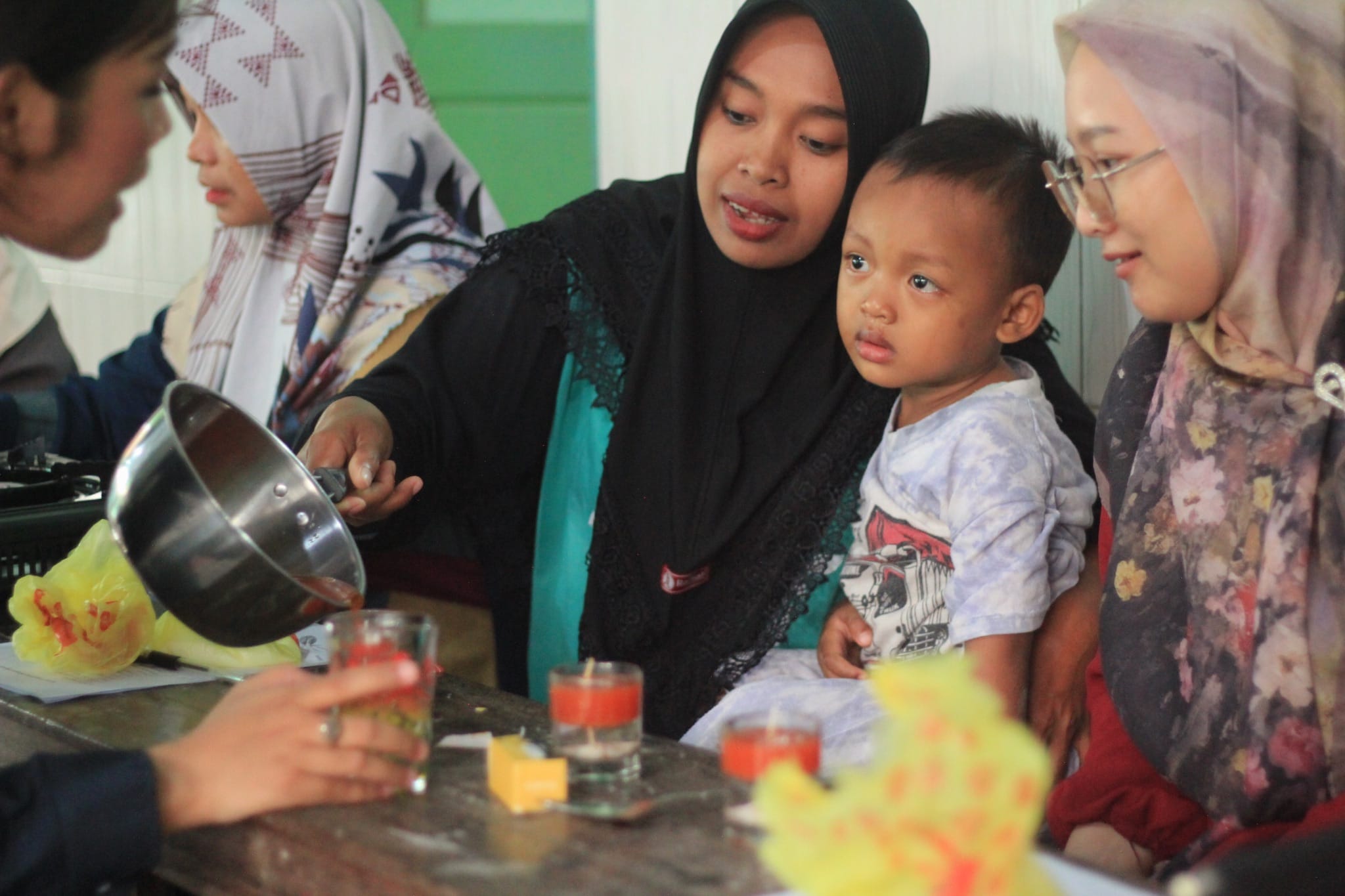
Table 1. Characteristics of Respondents
| Variable | Category | Frequency | Percentage (%) |
|---|---|---|---|
| Age | < 25 | 0
| – |
| 25-40 | 7 | 41,2% | |
| 41-50 | 5 | 29,4% | |
| > 55 | 5 | 29,4% | |
| Job | Housewife | 12 | 70,6% |
| Seller | 2 | 11,8% | |
| Employee | 1 | 5,9% | |
| Farmer | 2 | 11,8% | |
| Others | 0 | – | |
| Liters of oil/week | < 1 Liter | 13 | 76,5% |
| 1-2 Liter | 4 | 23,5% | |
| 2-3 Liter | 0 | – | |
| >3 Liter | 0 | – | |
| Frequency of cooking oil use before disposal | 1 time | 1 | 5,9% |
| 2 times | 14 | 82,4% | |
| 3 times | 2 | 11,8% | |
| >3 times | 0 | – | |
| Oil disposal method | Poured into waterways | 4 | 23,5% |
| Dumped onto the soil | 7 | 41,2% | |
| Given to others | 1 | 5,9% | |
| Stored | 3 | 17,6% | |
| Others | 2 | 11,8% |
Data directly processed by the Unidip KKN team
To shift this paradigm, a workshop on the utilization of used cooking oil—facilitated by the by the Undip KKN team received a very positive response from residents. Data analysis revealed that nearly all participants (94.1%) rated the workshop’s implementation as “Good.” This enthusiasm is directly proportional to the residents’ increased capacity. It was noted that 58.8% of participants now have a high level of knowledge regarding waste management, and 64.7% of participants demonstrated an attitude classified as “Good” or positive toward the innovation of making aromatherapy candles.
Table 2. Distribution of Workshop Assessment Categories
| Category | Score Range | Frequency(n) | Percentage(%) |
|---|---|---|---|
| Poor | 5-11 | 0 | 0,00 |
| Moderate | 12-18 | 1 | 5,88 |
| Good | 19-25 | 16 | 94,12 |
| Total | 17 | 100,0 |
Data directly processed by the Unidip KKN team
Table 3. Distribution of Respondent Knowledge Level Categories
| Category | Score Range | Frequency (n) | Percentage (%) |
|---|---|---|---|
| Low | 0-3 | 3 | 17,6 |
| Medium | 4-5 | 4 | 23,5 |
| High | 6-7 | 10 | 58,8 |
| Total | 17 | 100,0 |
Data directly processed by the Unidip KKN team
Table 4. Distribution of Workshop Assessment Categories
| Category | Score Range | Frequency (n) | Percentage (%) |
|---|---|---|---|
| Poor | 5-11 | 0 | 0,00 |
| Moderate | 12-18 | 1 | 5,88 |
| Good | 19-25 | 16 | 94,12 |
| Total | 17 | 100,0 |
Data directly processed by the Unidip KKN team
The success of this KKN team’s educational efforts is also supported by statistical evidence. Through a Spearman correlation test, a strong and significant positive relationship was found between participants’ knowledge levels and attitudes. This means that the greater the community’s understanding of the potential benefits and dangers of used cooking oil, the more positive their attitudes and support for this recycling practice. Furthermore, a comparative analysis showed that differences in residents’ past habits regarding the disposal of used cooking oil did not affect their level of acceptance of or evaluation of the current workshop activities.
Table 5. Spearman Correlation
| Variable | Correlation Coefficient | p-value | Strength of Correlation | Interpretation |
|---|---|---|---|---|
| Knowledge ↔ Attitude | 0,745 | 0,001 | Strong (Positive) | Strong, significant positive relationship |
| Knowledge ↔ Evaluation | -0,031 | 0,907 | Very Weak (Negative) | Insignificant |
| Attitude ↔ Evaluation | 0,169 | 0,588 | Very Weak (Positive) | Insignificant |
Data directly processed by the Unidip KKN team
Through this innovative program, the presence of KKN students in Juwiring helps not only to solve the problem of domestic waste disposal, but also has the potential to develop it into a product that can be marketed as a small and medium enterprise (MSME/UMKM ), which can boost the circular economy of the residents, while ensuring that the SDGs sustainability indicators are met at the village level.
Written by:
- Kaila Khansa
- Kayla Alvitania Amanda
- Syifa Kirana Athaya Caitra