NEWSFEED.ID, Pamulang — Foreign visitors living in Indonesia are increasingly sharing stories about the challenges and surprises they experience while adapting to daily life in the country. The experience, commonly known as “culture shock,” is particularly common among international students, expatriates, and long-term travellers who must adjust to unfamiliar customs, communication styles, and social expectations.
Many newcomers say one of the biggest adjustments is adapting to the fast-paced urban environment in major cities such as Jakarta. Heavy traffic congestion crowded public spaces, and the large number of motorcycles on the roads can be overwhelming for people arriving from countries with more organized transportation systems. Although some foreigners initially describe the experience as stressful, many later say the vibrant atmosphere becomes part of Indonesia’s charm.
Food is another important aspect of cultural adaptation. Indonesian cuisine is widely known for its rich spices, strong flavors, and diverse regional dishes. For some foreigners, particularly those from Europe or North America, adjusting to spicy food and unfamiliar ingredients can take time. However, visitors often praise the hospitality of local communities, saying Indonesians are eager to introduce guests to traditional dishes and local eating customs.
Social interaction in Indonesia also differs significantly from that in many Western countries. Foreign residents frequently report surprise at being asked personal questions regarding age, religion, marital status, or occupation shortly after meeting someone. While such questions may be considered private elsewhere, Indonesians generally see them as a polite way of building relationships and understanding a person’s social background.
Another commonly discussed aspect of Indonesian culture is the concept of “jam karet,” or “rubber time,” which reflects a flexible approach to punctuality and scheduling. Many foreigners say they initially struggled with delays and changing plans, especially in social gatherings or informal meetings. Over time, however, some visitors say they learned to become more patient and adaptable in everyday situations.
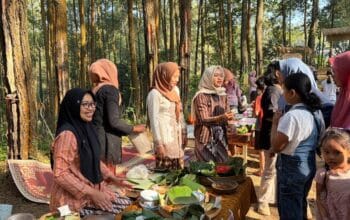
Social media has played an important role in highlighting these cultural experiences. Videos and posts shared by tourists and expatriates often show crowded traditional markets, local festivals, street food culture, and daily life in Indonesian neighborhoods. Many of these stories receive widespread attention online, with viewers expressing curiosity about the differences between Indonesian culture and life in Western countries.
Experts in intercultural communication say that understanding local customs can significantly reduce the difficulties associated with culture shock. Learning basic Bahasa Indonesia, respecting religious traditions, and dressing modestly in certain regions are often recommended as effective ways to integrate more smoothly into Indonesian society.
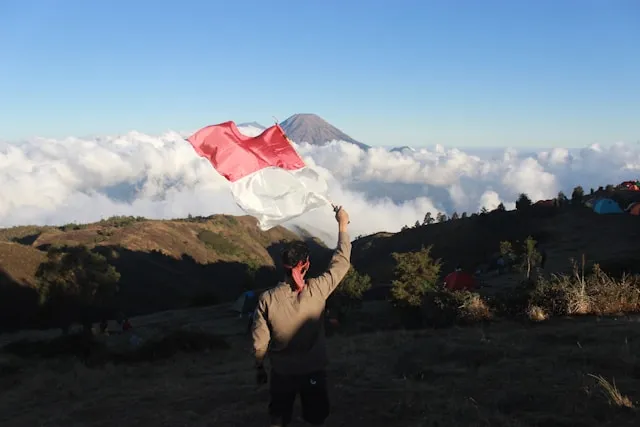
Despite challenges related to bureaucracy, transportation, and language barriers, many foreigners ultimately describe Indonesia as one of the friendliest countries they have visited. Long-term residents often say that living in Indonesia helps them develop greater cultural understanding and appreciation for the country’s strong sense of community, hospitality, and diversity. For many visitors, the initial culture shock eventually becomes an important and memorable part of their experience in Indonesia.