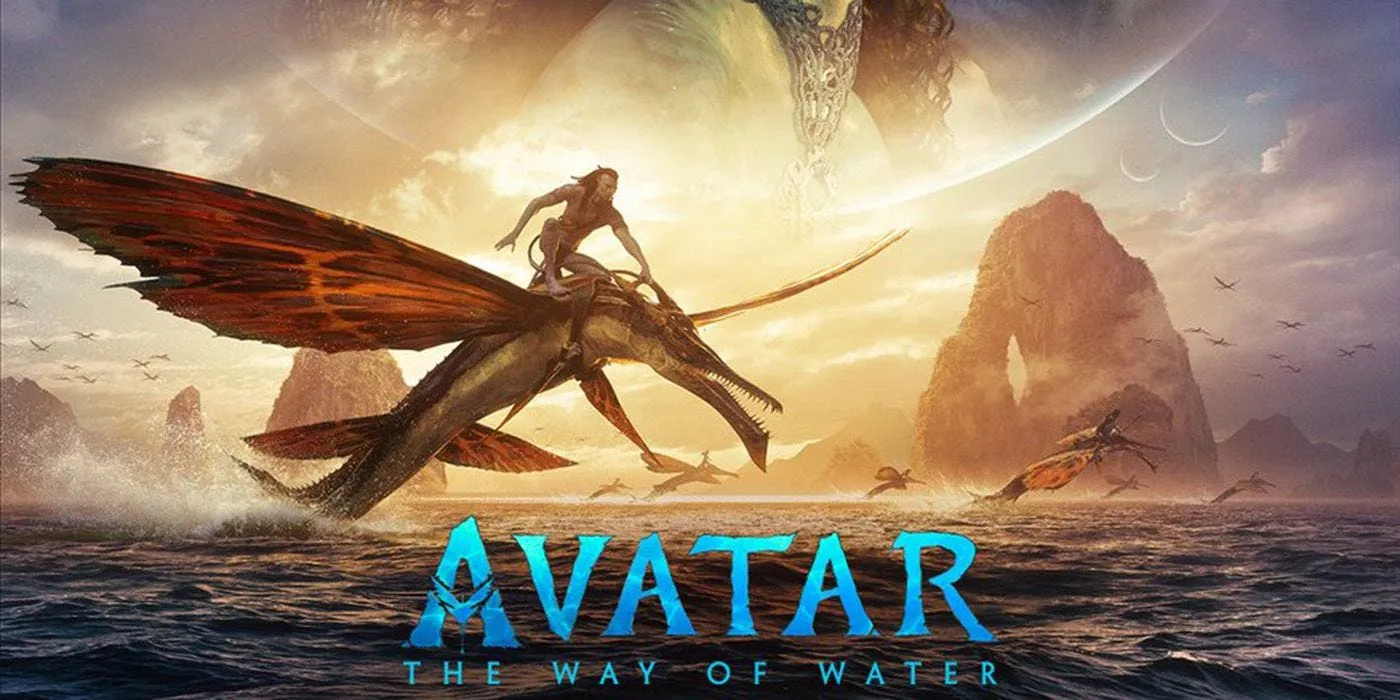
NEWSFEED.ID, Tangsel — Identity is understood in multicultural literature research as the view of cultural interactions, power relations, and constantly changing life experiences, rather than as something permanent and independent. Characters from two distinct cultures, particularly the Sully family, who migrated from a forest village to the Metkayina sea culture, are used in Avatar: The Way of Water to illustrate the issues. The film will explain how hybrid identities lead to conflict, feelings of exclusion, and expectations of adaptation, making identity something that must be constantly negotiated rather than fully received.
The personal experiences of Jake Sully and his children, who are not fully accepted as members of a particular society, provide the first glimpse of hybrid identity in this film. Although Jake leads the village and inhabits a Na’vi body, he is still regarded as an outsider upon entering Metkayina territory. His children are frequently questioned about their status and “reality” due to their blended identities. This situation reveals how hybrid identities frequently give rise to internal and external conflicts. In Homi Bhabha’s theory of hybridity, hybrid subjects exist in a liminal, or “in-between,” space, where they do not fully belong to either their original or new culture, and their identity is always in the process of formation.
The identity negotiation process in this movie is made clear by the cultural adaptation that the Sully family experiences in the Metkayina villages. They must learn new ways of living, starting with the technique of breath under water and ending with sticking to social norms and local customs. This adaptation is not a learning process; rather, it is necessary for living a fulfilling life and achieving social success. From a multicultural literature perspective, this situation highlights how minority groups or migrants often seek to assimilate into the dominant culture without being fully accepted. In this context, identity is not developed in an easy way; instead, it is developed under social and cultural norms.
This film also shows that the process of interaction is not just executed by the dominant group but also happens among similar societies. For example, Lo’ak faces criticism and rejection from people of the Metkayina clan because of his physical and mental differences. Although he is the same Na’vi, he is still seen as an outsider. This phenomenon shows the existence of internal hierarchy and “real” standards
that are used to evaluate each individual. A phenomenon known as “internalised othering” in the context of multicultural literature comes when equality reproduces values that exist even in communities that are disadvantaged, making hybrid identities more challenging to accept.
Through the representation of hybrid identities in Avatar: The Way of Water, the film illustrates that living among others often entails conditions that are neither socially nor emotionally acceptable. From character analysis, it is evident that hybrid identities are not a privilege but rather a burden that supports ongoing adaptation, faces refused, and highlights accepted meanings. This film makes me realise that identity is not necessarily created by religious beliefs or cultural norms, but rather from the ability to maintain and build relationships in the face of differences. As a result, identity negotiation becomes a crucial area for multicultural understanding.
Written by Siti Satriah
Universitas Pamulang